Tokyo Haneda (HND) Terminal 1 Guide 2026 and How to Find Your Terminal
Tokyo Haneda HND guide for 2026. Who flies from Terminal 1, its gate layout, how to confirm the terminal for any flight,
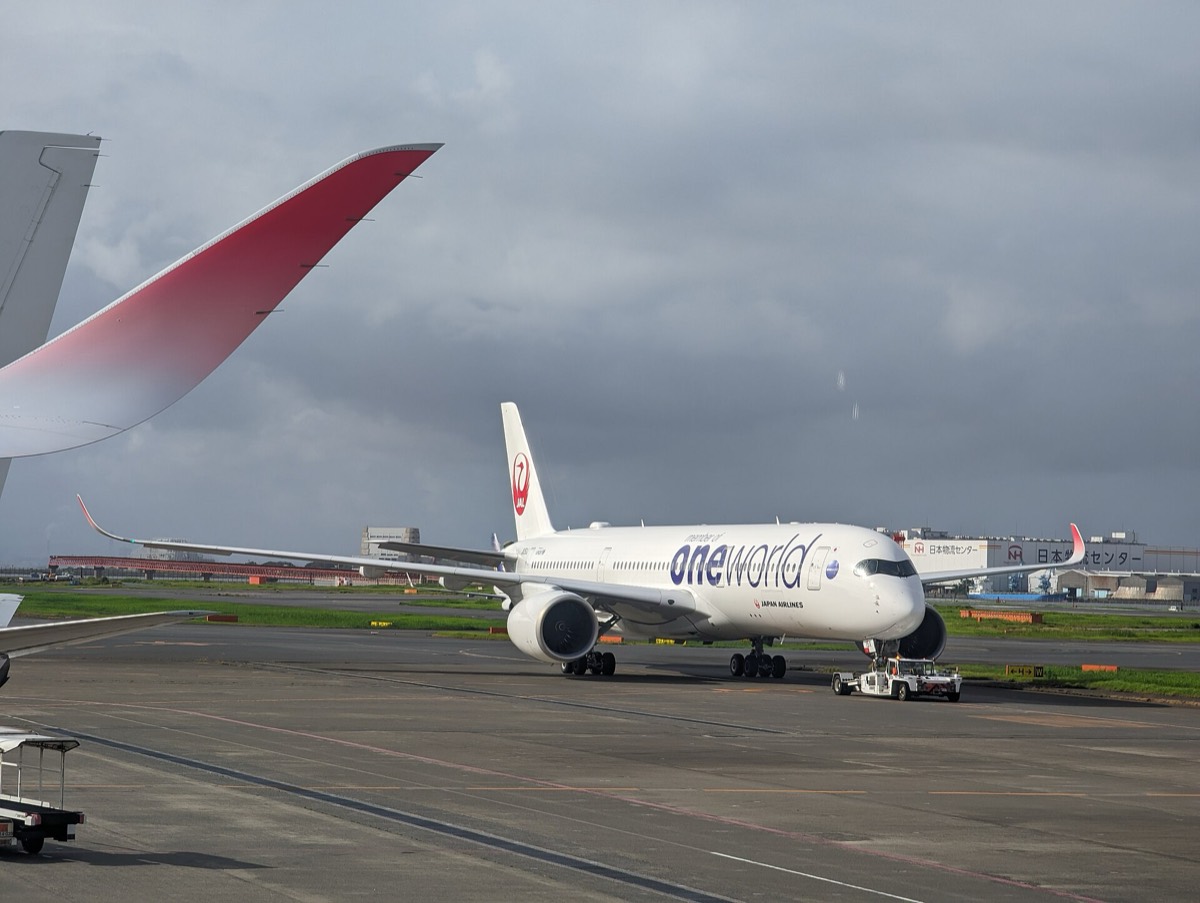
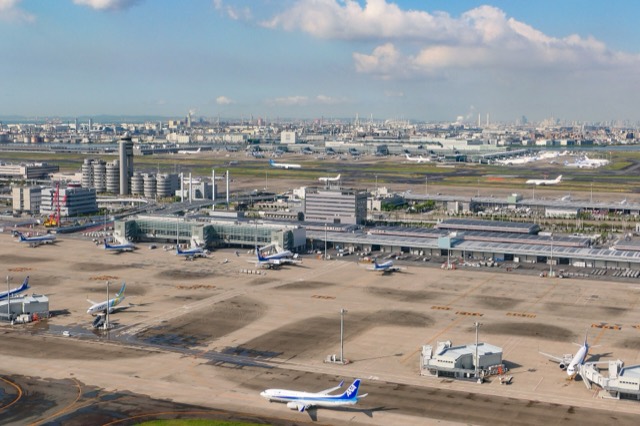
Tokyo Haneda (HND) has three terminals. As of October 2026, Terminal 1 is domestic-only and serves Japan Airlines (JAL), Skymark and StarFlyer. This guide covers Terminal 1 in detail. It also explains how to confirm the terminal for any flight and what happens, step by step, when you arrive from abroad and fly on within Japan.
For the current airline lists in Terminals 2 and 3 and the ways to get between terminals, use Haneda Airport's official website. Go to the airport operator's own site directly, not a booking site or an ad link. Those details change, and the airport's site is the place that keeps them up to date.
Haneda at a glance
Haneda's official name is Tokyo International Airport. It is the busier of the two airports serving Greater Tokyo. The other is Narita (NRT).
Haneda is in Ōta ward, about 15 km (9.3 miles) south of Tokyo Station. It is the primary domestic base of Japan's two largest airlines, Japan Airlines and All Nippon Airways (ANA). RegionalPlus Wings, Skymark and StarFlyer are also based there.
Because JAL and ANA both run their domestic operations from Haneda, it is a natural place to connect if you are flying on within Japan.
Your terminal: what decides it and how to check
JAL and ANA fly international routes as well as domestic ones. A Japanese airline's international flights may leave from a different terminal than its domestic flights, so never assume one airline means one terminal.
Your terminal also depends on the airline that actually operates the flight, not the airline you booked with. A codeshare is a flight sold under one airline's code but flown by another. If you booked a codeshare, look for the "operated by" line on your itinerary. That airline and that particular flight decide the terminal.
Use these three checks for each flight:
- Your booking. Find the "operated by" line and the terminal shown on your e-ticket or in the airline's app.
- The airport's site. It lists which airlines use which terminal. Look a few days before departure.
- Our flight status tool. On the day of travel, it shows the terminal and gate for a specific flight number and date. Once you land, it also shows the baggage belt. If the status codes are unfamiliar, see How to read a flight status — and when to actually worry.
If you have a connection, check both flights separately. The second flight may not leave from the terminal where the first one lands.
Terminal 1 in detail
Terminal 1, nicknamed "Big Bird," opened in 1993. As of October 2026, it handles only domestic flights within Japan, operated by Japan Airlines, Skymark Airlines and StarFlyer. It is a long, linear building. Check your gate number as soon as you have it so you know which end of the building to head for.
Your gate number tells you how you will board:
| Gates | How you board |
|---|---|
| 1–23 | Jet bridge. You walk straight onto the plane. |
| 24–29 | North satellite, completed September 2026. These gates were added to cut down on bus boarding. |
| 31–40 and 84–90 | Bus gate. A bus takes you from the terminal to the aircraft, and you board from the apron (the area of tarmac where planes park). |
If your boarding pass shows a gate from 31–40 or 84–90, expect a bus. Bus boarding takes longer, so get to those gates early. This matters most if you have limited mobility. Tell your airline in advance so it can arrange help with boarding.
Connecting at Haneda
How hard a Haneda connection is depends on three things:
- Whether you change terminals. A connection within one terminal is the simplest. Moving between terminals adds time, so look up the route on the airport's site before you travel.
- Whether you cross from international to domestic. If you arrive from abroad and fly on within Japan, Haneda is your point of entry. You clear immigration, collect your checked bag, take it through customs and then check it in again for the domestic flight.
- Whether everything is on one ticket. On a single booking, the airline has accepted that your connection time is workable, and it is responsible for rebooking you if the first flight is late. On separate tickets, each airline is usually responsible only for its own flight. Read Missed Connection on Separate Tickets: Who Pays and What to Do before you book that way.
The minimum connection time is the shortest connection an airline will sell on one ticket. At Haneda it varies by airline and by type of transfer, so ask your airline for the figure that applies to you. The airport also publishes its own guidance for some transfers. For why the minimum is a floor rather than a target, see Heathrow Connection Times 2026: Terminal Transfers and Real Minimums. The airport is different, but the logic is the same.
If you are connecting between two international flights and not entering Japan, transit rules apply instead. Transit Visa Rules by Hub (2026): Where You Can Stay Airside explains how they work.
A walk-through: international arrival, then a domestic flight
Say you fly into Haneda from overseas on one ticket and continue on a domestic flight to Fukuoka. This is the sequence. Times are left out because they depend on the hour, the day and your airline.
- Before you leave home, look up the terminal for each flight. The two may differ, even on the same airline. If they differ, check on the airport's site how to get between them. Check Japan's entry rules for your passport, and whether your passport has enough validity left, using our documents tool.
- Get off the plane and go through immigration. This is where you formally enter Japan.
- Collect your checked bag at baggage claim. Our flight status tool shows the baggage belt for your arriving flight.
- Clear customs with your bag.
- Check your bag in again for the domestic flight. Your airline will direct you to its transfer counter or bag drop.
- Move to the departure terminal if your domestic flight leaves from a different one, using the route you looked up in step 1.
- Go through security for the domestic flight and find your gate. If the gate is in Terminal 1, note whether it is a bus gate.
Each step can involve a queue. If you have a choice, book a longer connection than the minimum. Our airport guides and baggage-allowance overview cover more airports and what to do if a bag goes missing.
Connecting between Haneda and Narita
Some itineraries land you at one Tokyo airport and leave from the other. Treat that as a cross-city transfer, not a normal connection. There are two direct options:
- Keisei "Access Express" trains run directly between the two airports in about 93 minutes.
- Airport Limousine Bus runs direct coaches. The trip takes 65–85 minutes, and longer in heavy traffic.
Those are journey times only. Your real transfer time is made up of all of these:
- Immigration at the arrival airport, if you are arriving from abroad.
- Baggage claim, because your bags do not travel across the city for you.
- The wait for the next train or coach.
- The journey itself, which is the 93 minutes or 65–85 minutes above.
- Check-in and bag drop at the other airport, before that airline's cut-off.
- Security, and passport control too if your next flight is international.
Only step 4 has a published figure, and the other five can each take a while. For that reason, the 93-minute train time is not the number to plan around. We'd suggest leaving a full half-day or staying overnight rather than trying to squeeze the transfer in. Confirm current timetables with Keisei and Airport Limousine before you travel. If the two flights are on separate tickets, check the second airline's policy on missed flights before you book. Don't count on it rebooking you for free.
Getting from Haneda into Tokyo
Fares, timetables and pickup points change, so confirm them with each operator before you travel.
Two rail lines serve the airport:
- Keikyu Airport Line, which connects into the wider Keikyu rail network. Check Keikyu's route map for the station nearest your hotel.
- Tokyo Monorail, which runs into the city. Check the monorail's route map for its stops.
A third link, JR East's Haneda Airport Access Line, is under construction. It is due to connect Terminals 1 and 2 to central Tokyo by 2031, so it won't help with trips this year or next.
Buses are a good choice if you have heavy luggage or are staying near a stop. Airport Limousine and Keihin Kyuko Bus run scheduled services across the Kanto region. Major limousine-bus terminals include Tokyo City Air Terminal, the Shinjuku Expressway Bus Terminal and Yokohama City Air Terminal. Emirates also operates buses to Shinagawa and Tokyo stations. If you are flying with Emirates, ask the airline about them.
By road, the Shuto Expressway Bayshore Route and Route 357 run straight through the airport. If someone is collecting you by car, there are five parking structures, marked P1 to P5.
Frequently asked questions
Which terminal is Japan Airlines at Haneda?
As of October 2026, JAL's domestic flights use Terminal 1, the domestic-only terminal. JAL's international flights may use a different terminal. Check the terminal shown on your booking for each flight.
Do I have to change terminals for an international-to-domestic connection at Haneda?
It depends on which terminals those two flights use, so check each booking rather than assuming. Either way, the sequence is the same: immigration, collect your bag, customs, then check your bag in again for the domestic flight. Ask your airline for its minimum connection time and leave extra margin.
How far is Haneda from central Tokyo?
Haneda is about 15 km (9.3 miles) south of Tokyo Station. The Keikyu Airport Line and Tokyo Monorail both serve the airport, and limousine buses run to major hubs across the Kanto region. If you are deciding between Haneda and Narita, compare the journey time from each airport to your hotel using the rail and bus operators' own route planners.