Tokyo Haneda to Downtown: Train, Bus, Taxi and Rideshare Compared
Tokyo Haneda (HND) to downtown Tokyo by Keikyu, monorail, limousine bus, taxi or app ride: which to pick, when, and what to check before you land.
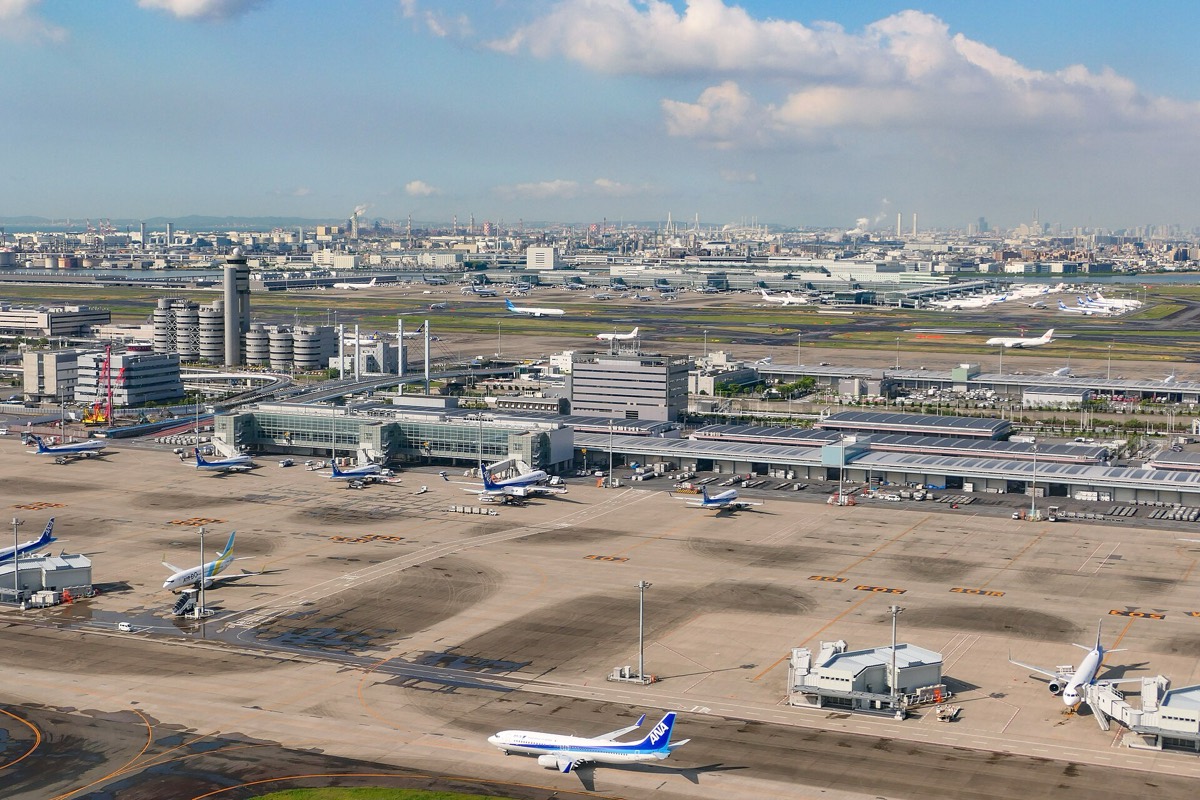
For most travelers, the train is the best way from Tokyo Haneda (HND) into the city. Use the Keikyu Airport Line if you're heading toward Shinagawa or the east side, and the Tokyo Monorail if you're heading toward Hamamatsucho. Take the Airport Limousine bus if you have heavy bags and your hotel is near a bus stop. A taxi is worth it after the last train, with a group, or when you can't face stairs and transfers.
Your arrival terminal affects where you catch your train or bus. You can check it, along with your actual landing time, on our live flight status page.
First, where is "downtown" Tokyo?
Tokyo doesn't have one downtown. It has several big centers, including Tokyo Station and Marunouchi, Ginza, Shinjuku, Shibuya, Shinagawa and Asakusa. The best way in depends on which one your hotel is near.
Haneda is close to all of them. The airport is in Ōta ward, about 15 kilometers (9.3 miles) south of Tokyo Station. That's far closer than Narita, Tokyo's other major airport. From Haneda, every option below is a fairly short trip by big-city standards.
Before you choose, look up the nearest major station to your hotel. That one fact decides most of what follows.
The options compared
| Option | Where it takes you | Relative cost | Best for | Watch out for |
|---|---|---|---|---|
| Keikyu Airport Line (train) | Shinagawa. Some trains run through onto subway tracks toward Ginza and Asakusa | Cheapest tier | Light packers heading to Shinagawa, Ginza, Asakusa or the east side | Rush-hour crowds, and changing trains with luggage |
| Tokyo Monorail | Hamamatsucho, where you can change to JR lines | Cheapest tier | Travelers heading to the Tokyo Station, Shimbashi or JR Yamanote Line areas | A further change at Hamamatsucho to reach most hotels |
| Airport Limousine / Keihin Kyuko bus | Major hotels and bus terminals across the Kanto region | Middle | Heavy luggage, older travelers, anyone who wants one seat all the way | Traffic, set departure times, and drop-off only at fixed stops |
| Taxi | Door to door | Most expensive | Groups, late arrivals, mobility needs | Expressway tolls, and possible late-night surcharges |
| App-booked ride | Door to door | Similar to a taxi, sometimes more | People who want to type their destination instead of explaining it | Works differently from the US, and pickup points vary |
Cost, in order: the train is typically cheapest, the limousine bus sits in the middle, and a taxi or app-booked taxi costs the most. A taxi shared by three or four people narrows that gap.
Speed, in order: to Shinagawa or Hamamatsucho, the train is typically fastest because it doesn't sit in traffic. Door to door, the gap shrinks once you add a change of trains and the walk to your hotel. A bus or taxi straight to your hotel's entrance can come close outside rush hour and fall well behind in it. Current fares and timetables are on the Keikyu, Tokyo Monorail and Airport Limousine websites. Check them shortly before you travel, because they change.
As of October 2026, Haneda is served by the Keikyu Airport Line and the Tokyo Monorail. A new JR East rail link, the Haneda Airport Access Line, is under construction. It's expected to connect Terminals 1 and 2 to central Tokyo by 2031, so it won't help you on a trip this year or next.
Quick guide by hotel area
This table shows the usual starting point for each area. Confirm your exact route with a journey planner or the operator's route map before you travel. Through-running trains and bus stops in particular vary by time of day.
| Hotel area | Best mode for most people | Typical change point |
|---|---|---|
| Shinagawa | Keikyu | None needed |
| Shibuya | Keikyu, or the Monorail | Shinagawa (Keikyu) or Hamamatsucho (Monorail), then the JR Yamanote Line |
| Shinjuku | Limousine bus with luggage, or train if you're traveling light | Bus goes direct to the Shinjuku Expressway Bus Terminal. By train, change to the JR Yamanote Line at Shinagawa or Hamamatsucho |
| Tokyo Station / Marunouchi | Monorail | Hamamatsucho, then JR lines. Emirates passengers can use the airline's bus to Tokyo Station |
| Nihonbashi | Limousine bus | Bus goes direct to Tokyo City Air Terminal (TCAT) |
| Ginza | Keikyu | Some trains run through toward Ginza with no change. Check the platform board |
| Asakusa | Keikyu | Some trains run through toward Asakusa with no change. Check the platform board |
| Yokohama | Limousine bus, or Keikyu | Bus goes direct to Yokohama City Air Terminal (YCAT). Keikyu also has trains in the Yokohama direction, so check the Keikyu route map for your station |
Trains: Keikyu vs the monorail
Both lines serve the airport. Before you head for a platform, confirm which terminal you're arriving at. Our guide on how to find your Haneda terminal explains how to check. As of October 2026, Terminal 1 handles only domestic flights within Japan.
Keikyu Airport Line is usually the better pick for the east and south sides of the city. It reaches Shinagawa, a big hub for JR trains and the Shinkansen bullet train. Some Keikyu trains also continue onto subway tracks toward Ginza and Asakusa, so you may not need to change at all. Which trains continue, and how far, varies by time of day. Read the destination shown on the platform board, not just the line name.
Tokyo Monorail runs above the bay to Hamamatsucho. There you change to JR lines, including the Yamanote loop line that circles central Tokyo. It's a pleasant ride with water views. It makes sense if your hotel is near a Yamanote station or the Tokyo Station area.
For both lines, the easiest way to pay is a rechargeable IC card such as Suica or PASMO, or the mobile version on your phone. You can also buy single tickets from machines, which have English menus. Fares and timetables change, so check the Keikyu and Tokyo Monorail websites for current prices and last-train times. Trains stop for the night. If your flight lands late, check the last departure before you fly.
The catch: you'll likely change trains at least once, and big stations like Shinagawa involve long corridors and stairs. Elevators exist but can be a walk away. With two large suitcases, that gets tiring fast.
Airport Limousine bus: the low-effort choice
Scheduled buses are run by Airport Transport Service, branded Airport Limousine, and by Keihin Kyuko Bus. They go to many points across the Kanto region, including major hotels and bus terminals.
The big terminals are:
- Tokyo City Air Terminal (TCAT), in the Nihonbashi area
- Shinjuku Expressway Bus Terminal
- Yokohama City Air Terminal (YCAT), for Yokohama
The appeal is simple. Staff load your bags, you sit down, and you get off at or near your hotel. For older travelers, people with mobility issues, or anyone arriving after a long-haul flight, that is often worth more than a faster train.
The trade-offs are traffic and timetables. Buses run at set times, so you may wait. A bus also travels on the same expressways as everyone else, so the trip can stretch at busy times. Check the operator's site for routes, stops, fares and the latest timetable. Buses are sometimes reduced or suspended, so confirm that your route is running. Late at night, bus service is limited and varies by route, so check the operator's late-night timetable before you fly.
Emirates passengers have an extra option. The airline operates bus services to Shinagawa Station and Tokyo Station. Check with Emirates for eligibility and how to book.
Taxi: when it's worth paying more
Taxis wait at ranks outside each terminal and take you door to door. Tokyo taxis are clean and metered. Many drivers speak little English, so have your hotel's name and address written in Japanese, or ready on your phone.
A taxi is the most expensive option. The fare depends on distance, traffic and time of day, and on whether the driver takes the expressway, which adds tolls. Late-night rides typically carry a surcharge. Fixed-fare options may exist for some areas. Ask at the taxi rank or check the airport's website.
The rule of thumb: a taxi is worth it when three or four people are sharing it, or when the alternative is hauling bags through train transfers late at night. It's also worth it for anyone who struggles with stairs. A solo traveler with a backpack is almost always better off on the train.
If you know you'll land after the last train, plan the taxi ahead. Ask your hotel to help arrange a pickup, or note where the taxi rank is at your arrival terminal. That way you're not working it out when you're tired.
Rideshare apps: not quite what you're used to
If you expect US-style Uber or Lyft with private drivers in their own cars, Japan works differently. Private-car ridesharing is much more limited there. In Tokyo, ride-hailing apps typically dispatch licensed taxis rather than private drivers.
In practice, an app ride from Haneda is usually a taxi booked through your phone. The cost is broadly similar to a taxi from the rank, sometimes with a booking fee added. The advantages are an English interface, typing your destination instead of explaining it, and in-app payment.
For most arrivals, the simplest choice is the taxi rank outside your terminal. Taxis are usually waiting there, and you avoid hunting for an app pickup point. If you'd still rather use an app, open the one you already have before you leave home. As of October 2026, check whether it offers rides in Tokyo and accepts your card. Then follow its pickup instructions carefully when you land.
Connecting to Narita?
If you're transferring between Tokyo's two airports, there are two direct options as of October 2026. Keisei "Access Express" trains run direct between Haneda and Narita in about 93 minutes. Airport Limousine buses also run direct, taking roughly 65 to 85 minutes, or longer in heavy traffic. That ride comes on top of check-in and security at the other end, so allow a generous buffer.
Frequently asked questions
What's the cheapest way from Haneda to central Tokyo?
The train is typically the cheapest option, using either the Keikyu Airport Line or the Tokyo Monorail. The limousine bus usually costs more, and a taxi costs the most. Check current fares on each operator's website before you travel.
Can I get from Haneda into Tokyo after midnight?
Trains stop for the night. Bus service is limited and varies by route, so check the operator's late-night timetable before you fly. If no bus suits your arrival time, a taxi or app-booked taxi is the fallback. You can ask your hotel to help arrange one in advance, and you should expect a late-night surcharge.
Is the limousine bus better than the train with luggage?
Often, yes. Staff handle your bags and you get one seat with no transfers, which matters most for heavy luggage or limited mobility. The trade-off is that traffic can make the bus slower. To work out where you'll start from, see our guide on how to find your Haneda terminal. For your return trip, see how early to arrive at Tokyo Haneda.